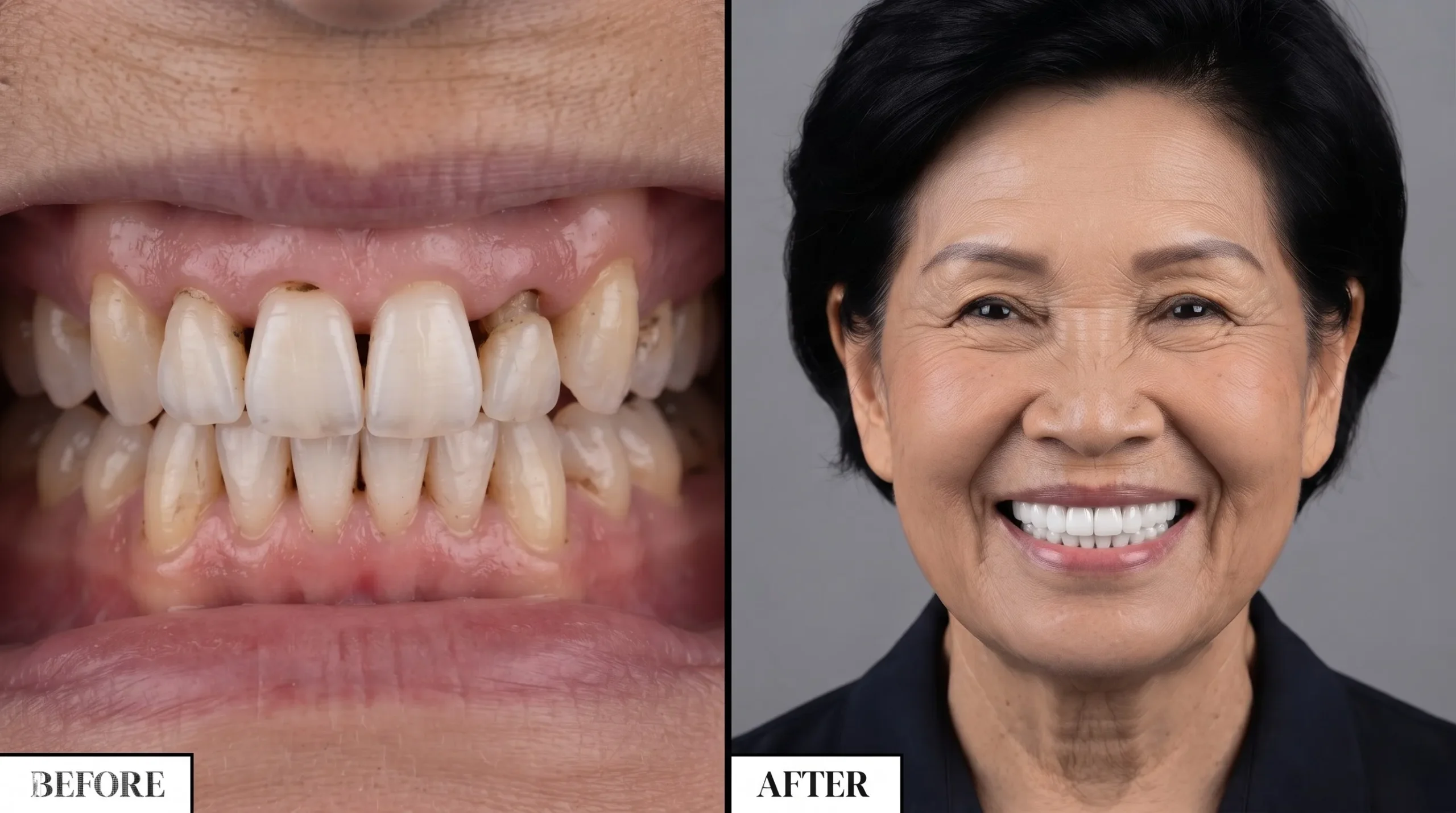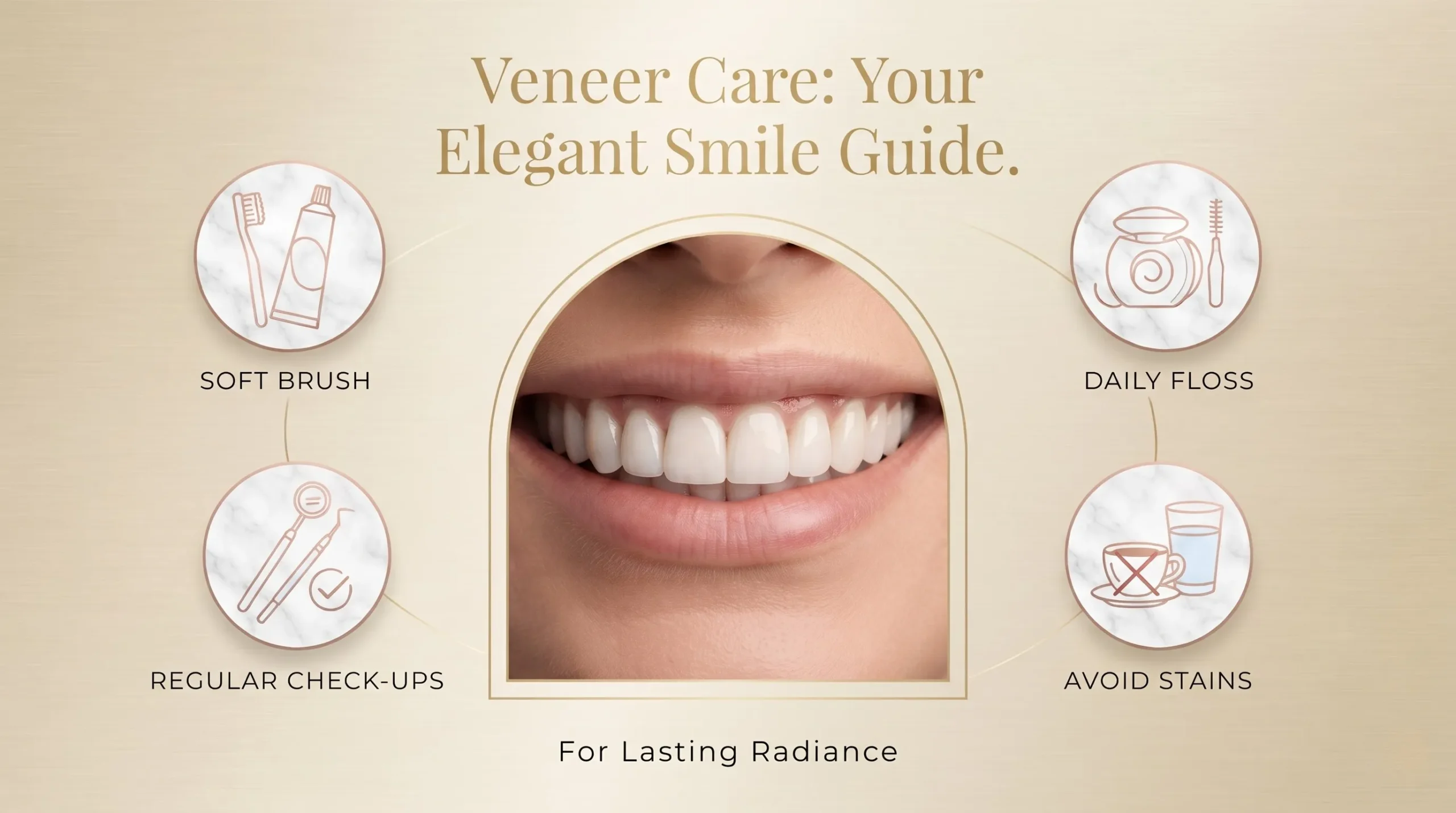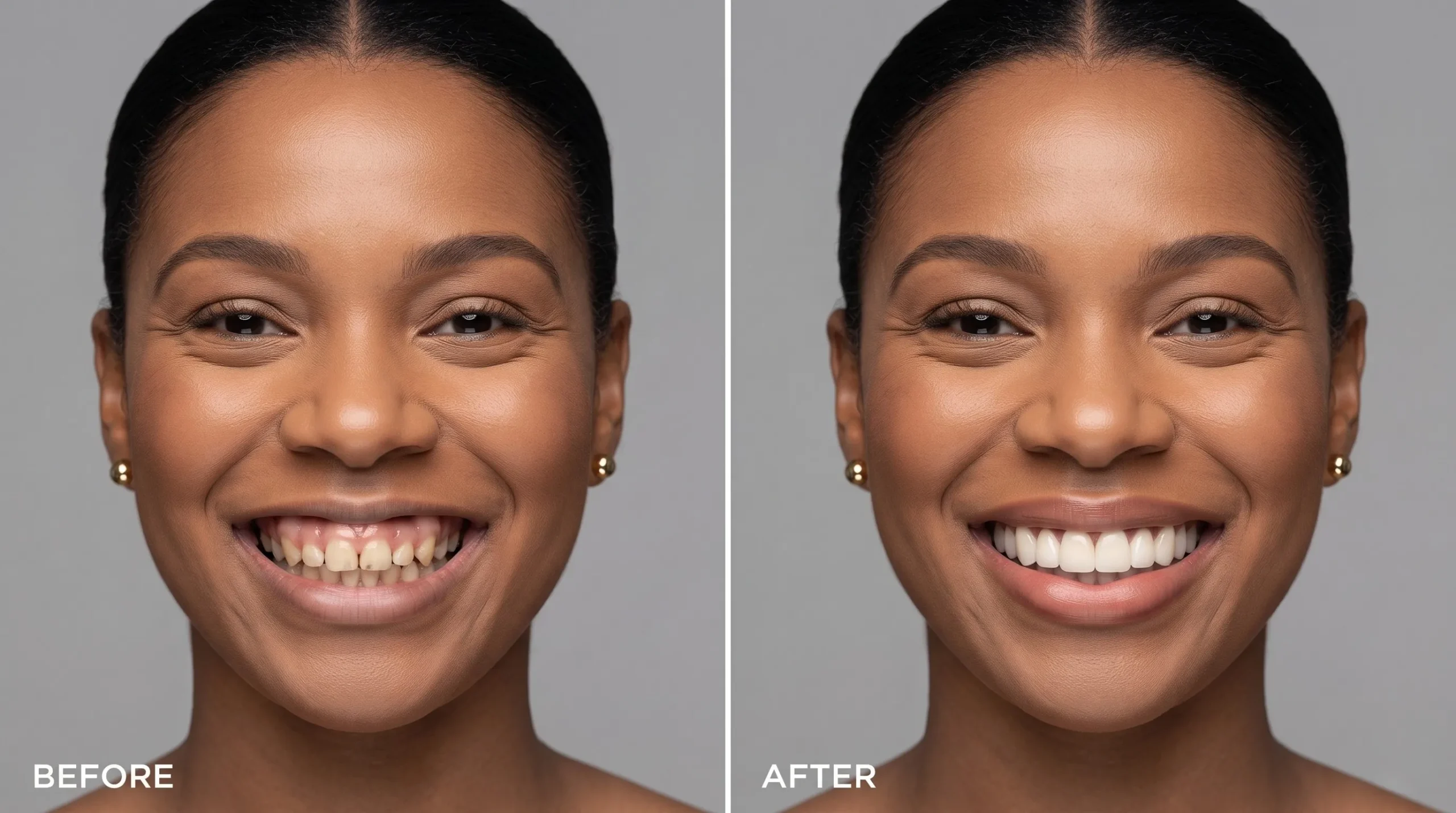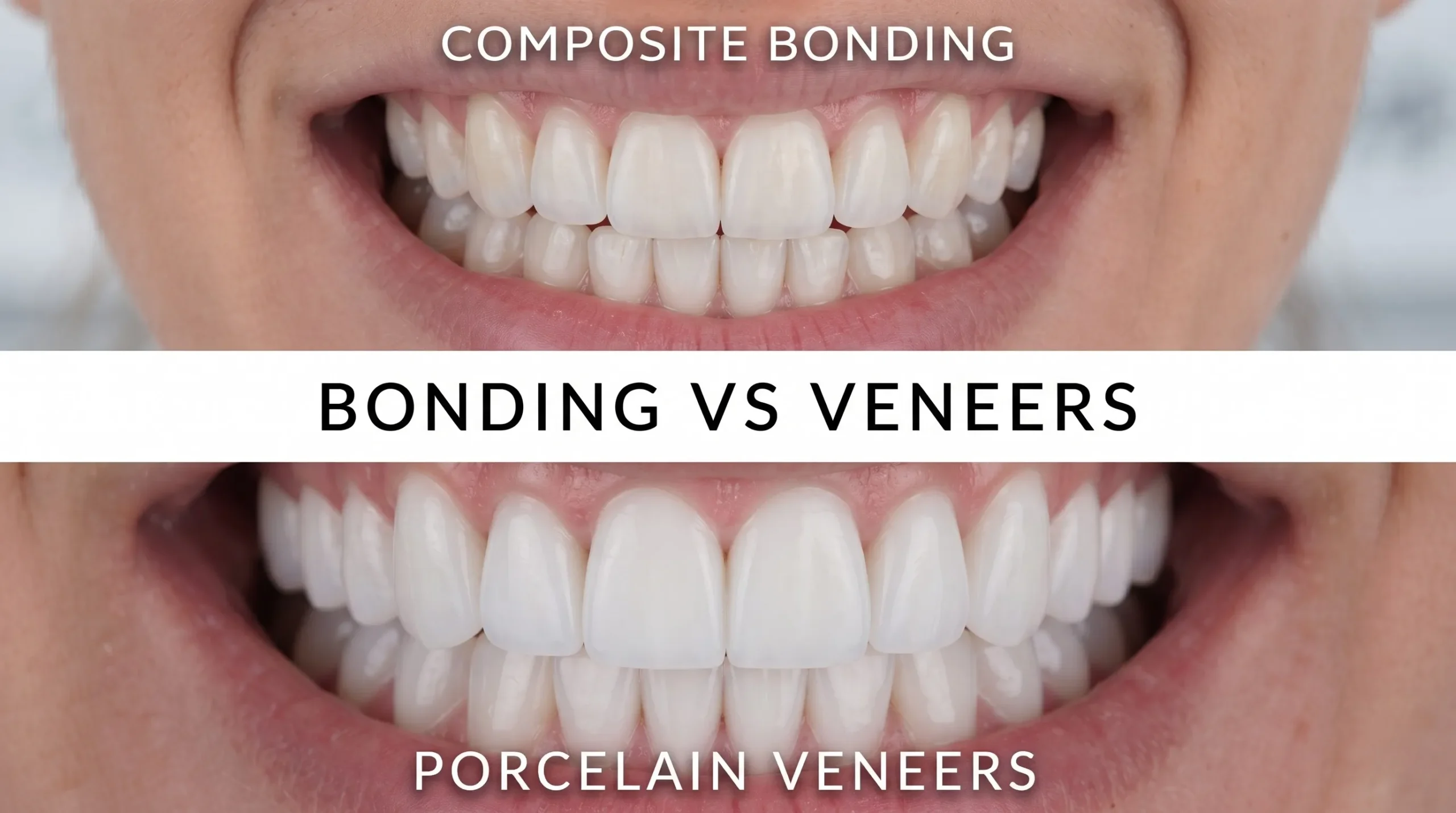
If you have chipped enamel, a small gap between your front teeth, or stubborn discoloration, both Composite Bonding and Porcelain Veneers offer effective cosmetic solutions. However, they differ significantly in material strength, longevity, procedure timeline, and financial investment.
Understanding the differences between these two cosmetic options will help you choose the best treatment for your smile goals in Kochi.
Body
- Composite Dental Bonding (Fast & Versatile):
How It Works: Tooth-colored composite resin is artfully applied directly to the tooth, sculpted to fix chips or gaps, and cured using a specialized light in a single visit.
Longevity: 5 to 7 years with good care.
Best For: Fixing small chips, minor edge wear, or single small gaps on a quick budget.
- Porcelain & Zirconia Veneers (Ultra-Durable & Stain-Proof):
How It Works: Ultra-thin, custom-milled ceramic shells crafted in a CAD/CAM dental lab and permanently bonded over the front surface of teeth.
Longevity: 15 to 20+ years with superior structural durability.
Best For: Complete smile makeovers, deep intrinsic staining, crooked teeth, or multiple front tooth imperfections.
- Key Comparison Factors:
Stain Resistance: Porcelain and Zirconia are 100% non-porous and resistant to coffee, tea, and turmeric stains; composite resin can absorb mild surface stains over time.
Enamel Preparation: Bonding requires zero to minimal enamel shaping; veneers require micro-shaping (0.3mm–0.5mm) for a flush fit.
Conclusion
Composite bonding provides a fast, effective single-visit touch-up, while Porcelain and Zirconia veneers offer a permanent, stain-proof, long-term smile transformation.
Unsure whether bonding or veneers are right for you? Schedule a digital consultation with Dr. Frederick Williams at Pearl Dental Kochi today.