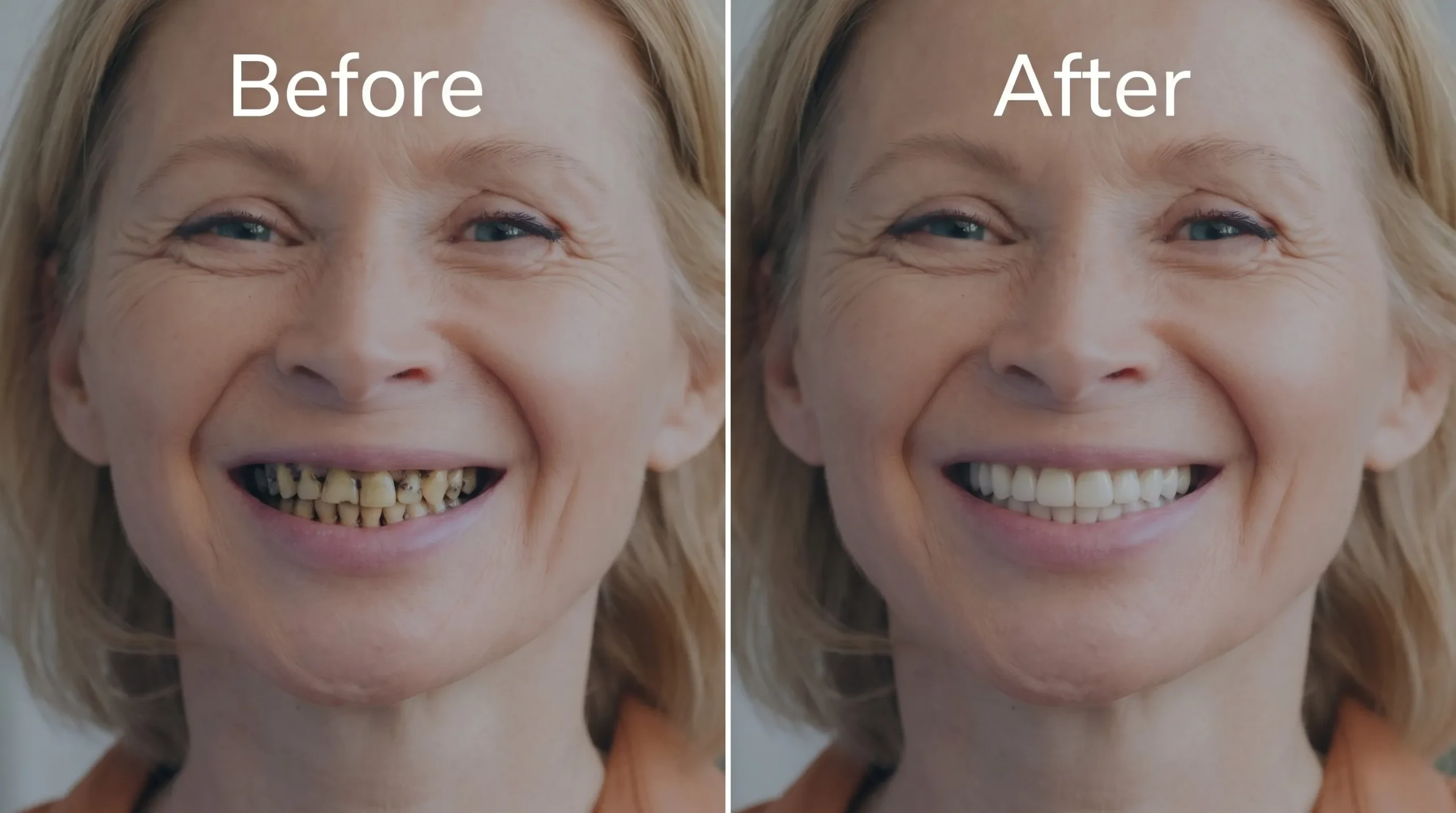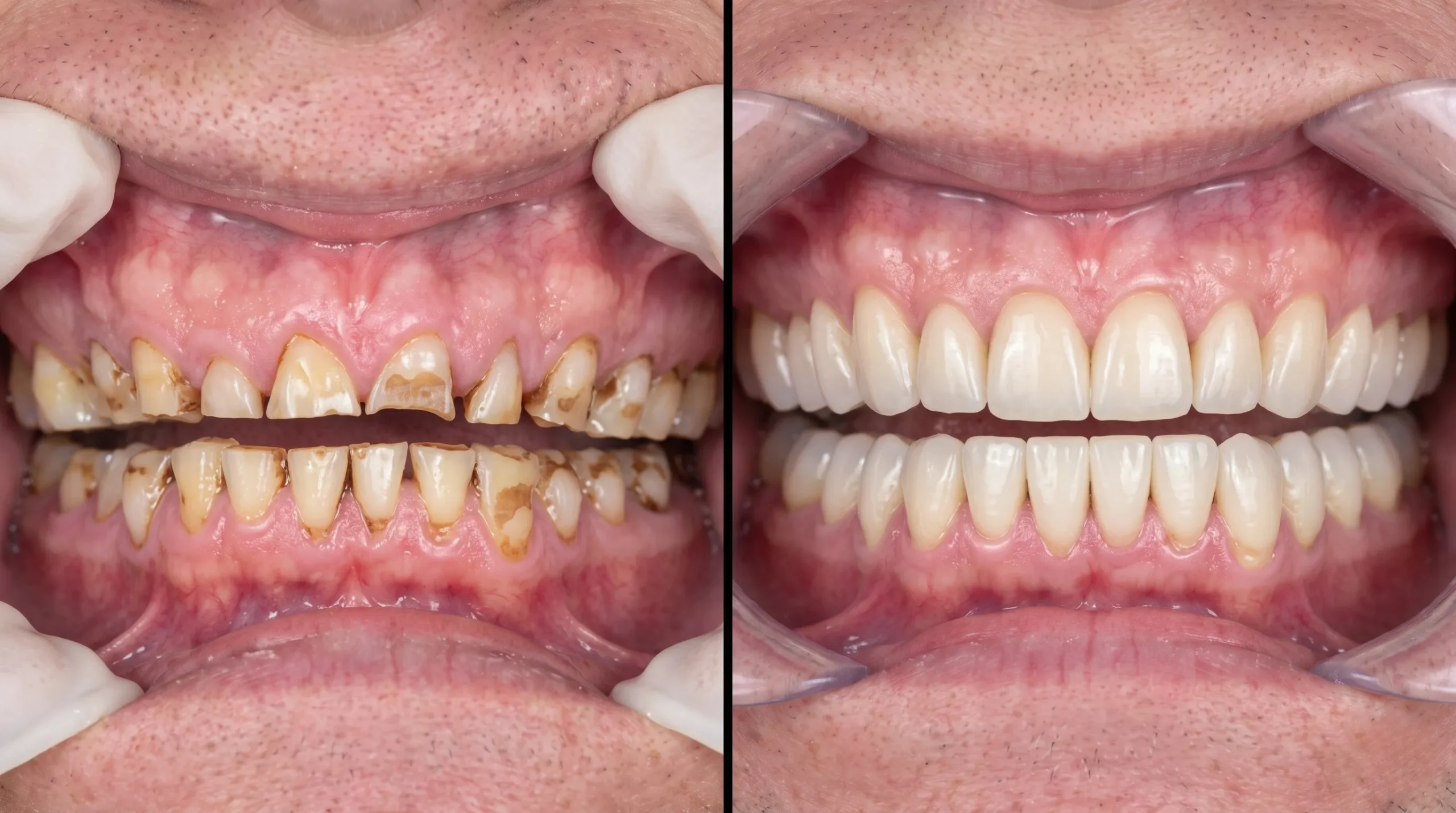
When a tooth suffers significant damage from a deep cavity or structural fracture, a standard filling might not be strong enough to support chewing forces. However, placing a full dental crown requires removing surrounding healthy enamel to fit the cap.
Enter Ceramic Inlays and Onlays (often called partial crowns). This high-precision restorative option preserves maximum natural tooth enamel while providing the exceptional strength and longevity of custom-milled ceramic.
Body
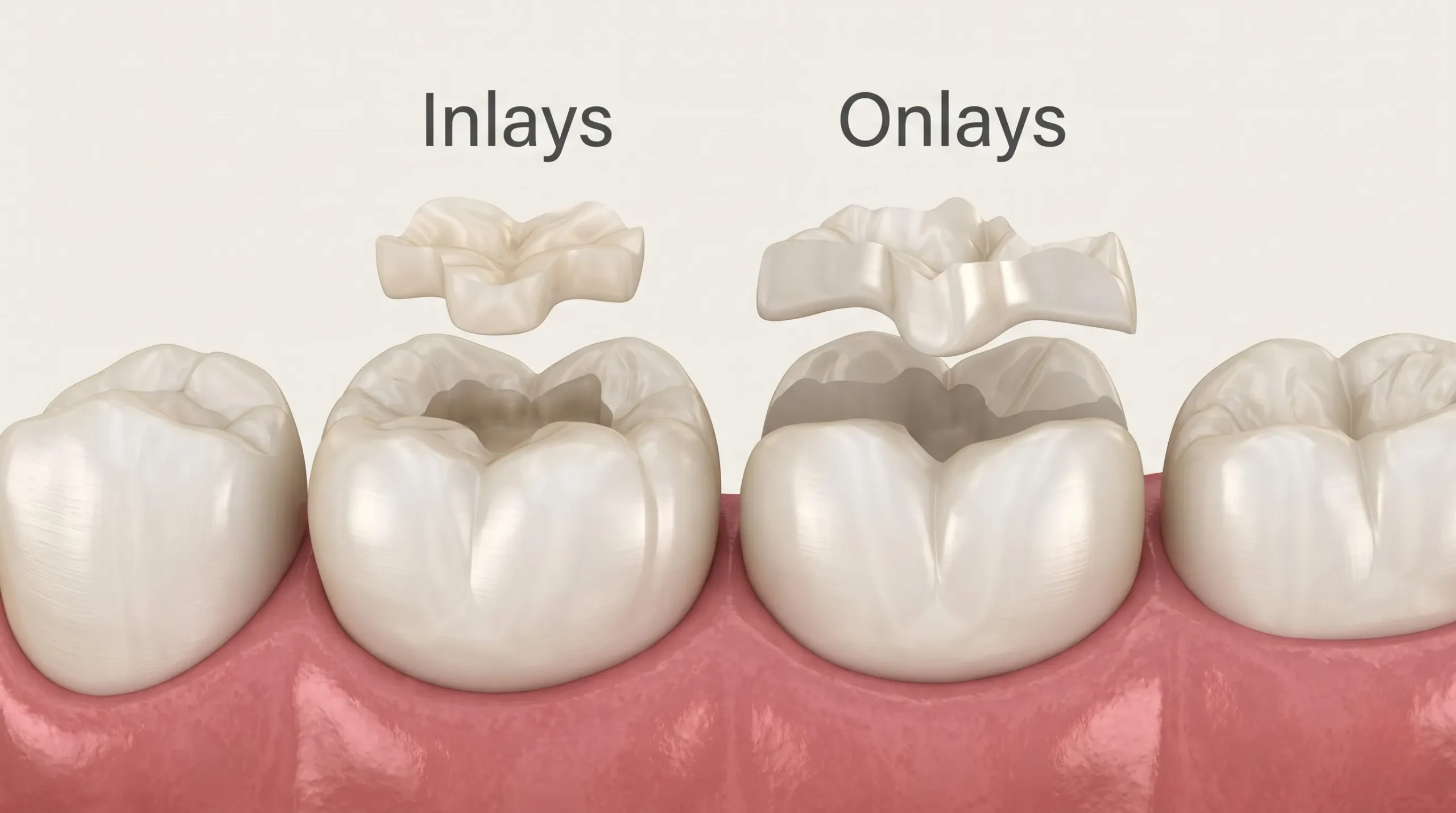
- What Is the Difference Between an Inlay and an Onlay?
Ceramic Inlay: Fits inside the deep grooves of a tooth’s chewing surface between the natural raised points (cusps).
Ceramic Onlay: Covers one or more natural tooth cusps when a tooth corner has broken off or suffered extensive decay.
- Why Inlays and Onlays Are Superior to Large Fillings:
Large composite fillings placed in deep cavity holes can flex under heavy molar chewing pressure, leading to eventual wear or fracture.
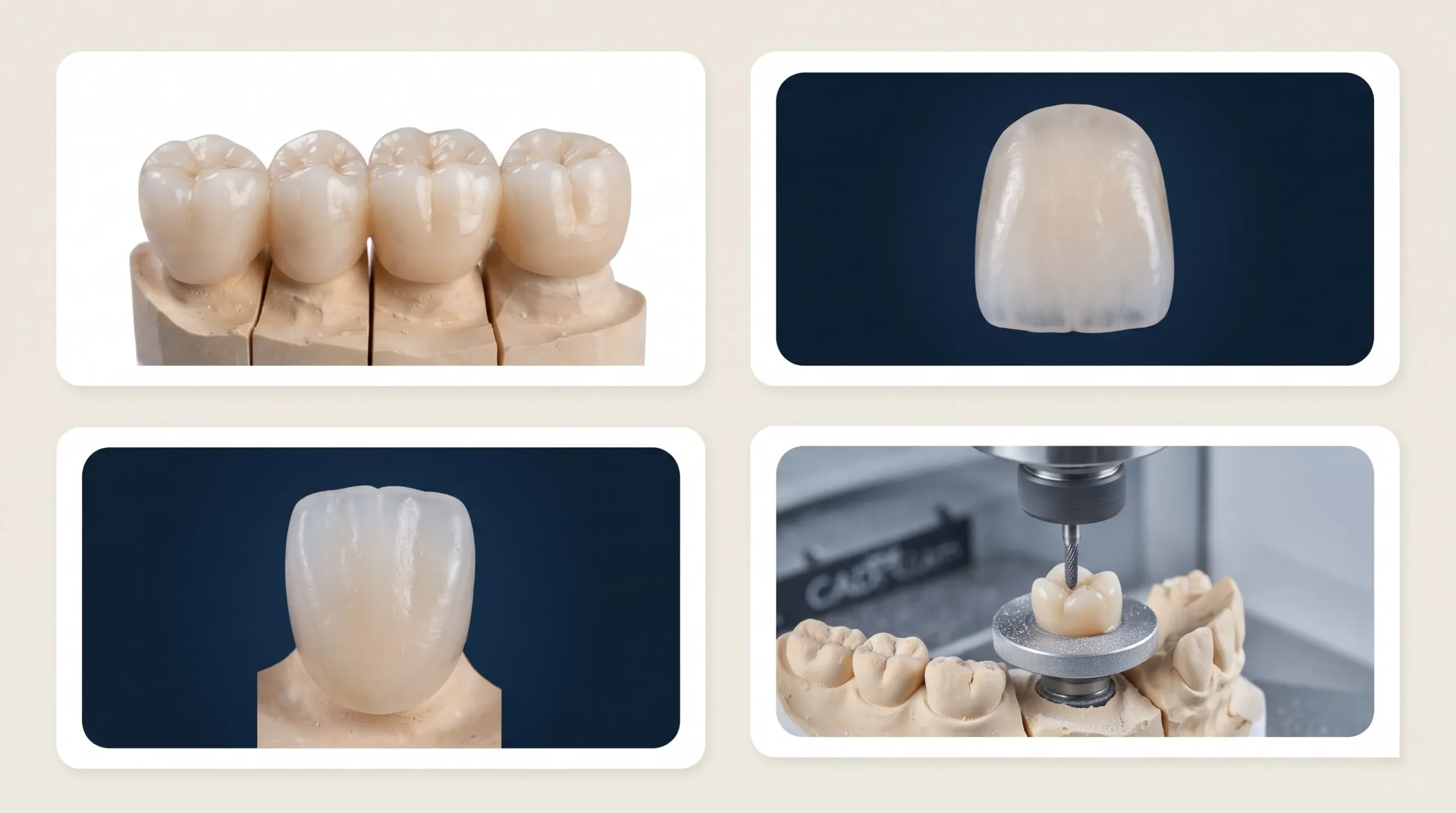
Inlays and onlays are custom-milled from solid blocks of high-strength ceramic (such as E-Max), providing unmatched fracture resistance.
- Why Inlays and Onlays Are Preferred Over Full Crowns Whenever Possible:
Maximum Enamel Conservation: Full crowns require shaving down healthy tooth structure 360 degrees around the tooth. Inlays and onlays only require removing decayed or broken areas.
Gentle on Gums: Restoration margins sit comfortably above the gumline, reducing the risk of gum irritation.
CAD/CAM Precision: Milled from high-resolution 3D optical scans for a flawless, flush margin fit that blocks bacteria.
Conclusion
Ceramic inlays and onlays offer the ideal middle ground between a filling and a full crown—saving natural healthy enamel while providing lifelong chewing strength.
Need a durable repair for a broken or deeply decayed tooth? Book a restorative evaluation at Pearl Dental Kochi today.