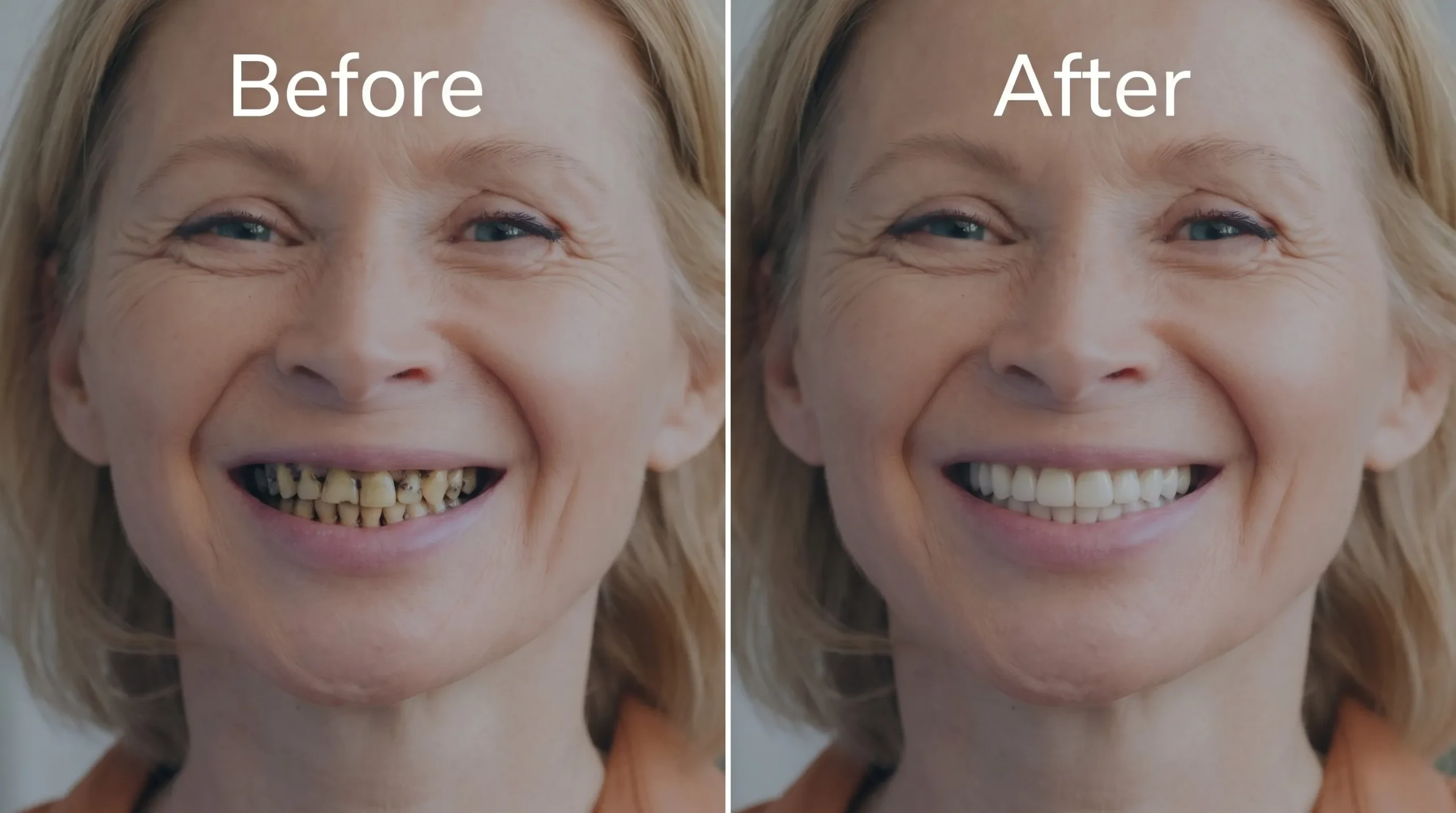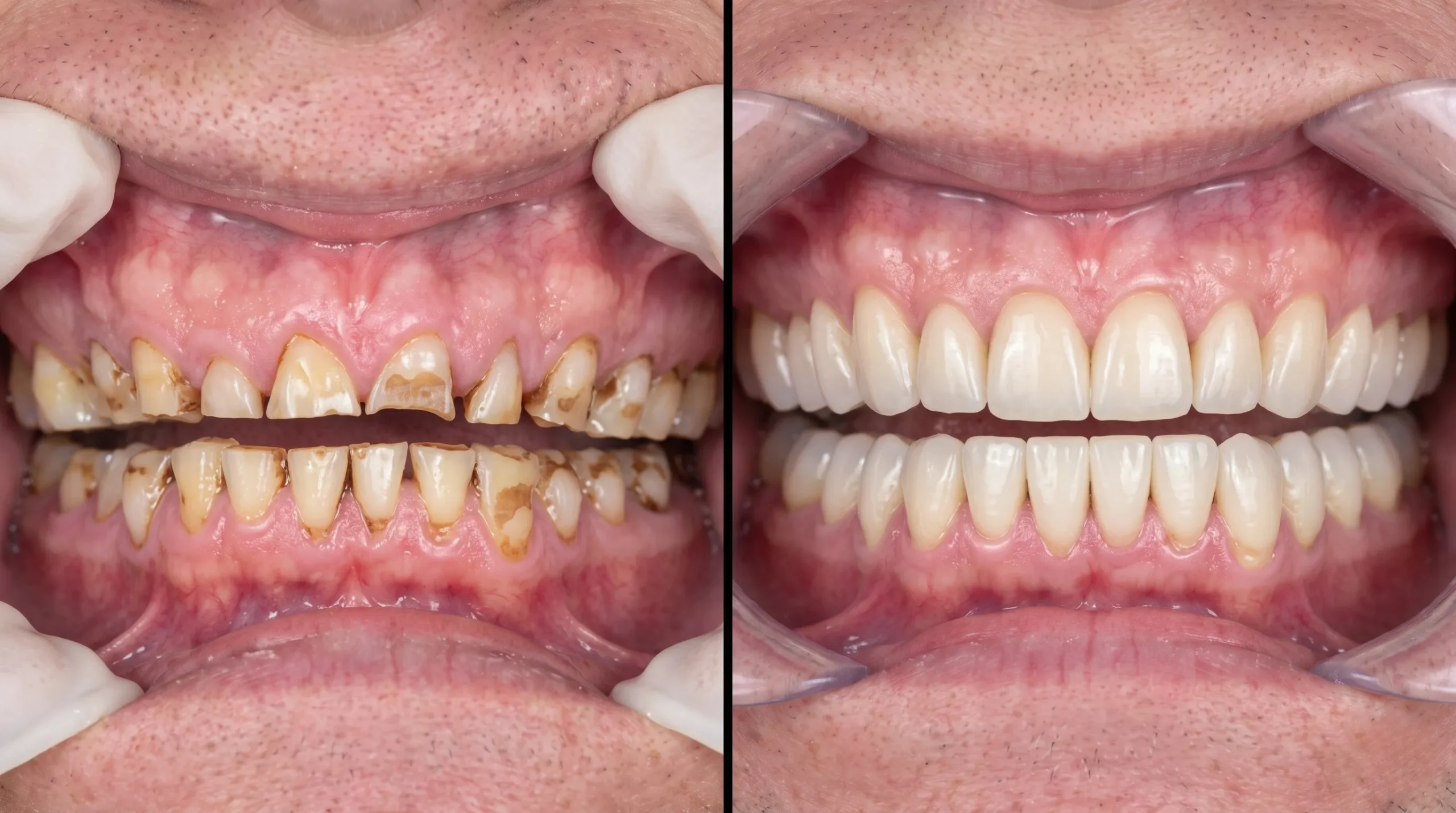
Losing a permanent tooth creates a functional gap that affects how you chew, speak, and smile. Leaving that gap empty causes surrounding healthy teeth to slowly tip inward and leads to localized jawbone resorption.
When replacing a missing tooth, two primary fixed restorations exist: Fixed Dental Bridges and Dental Implants. Here is a detailed comparison to help you choose the best option for your health, lifestyle, and budget.
Body
- Option 1: Dental Implants (The Gold Standard):
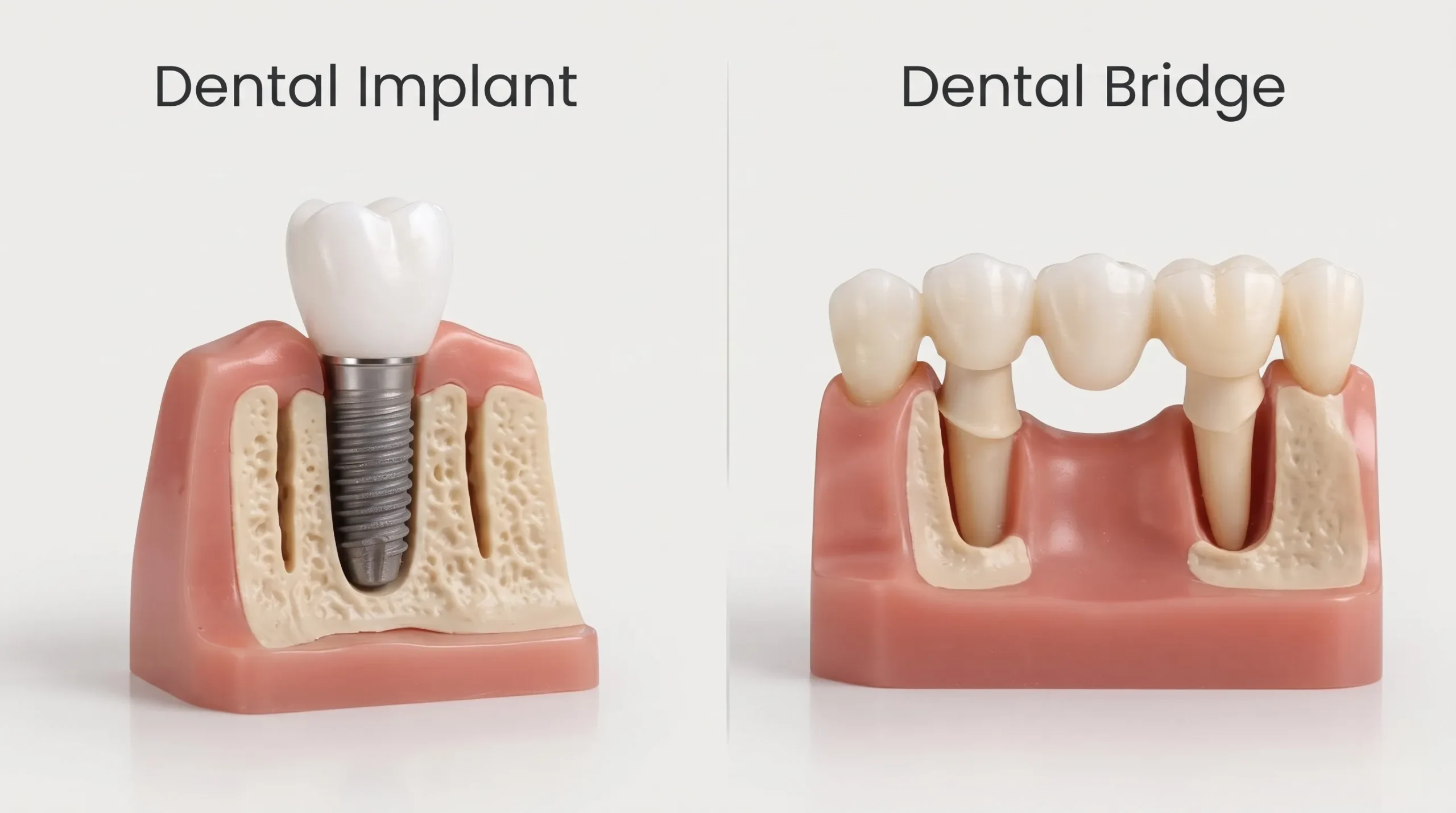
How It Works: A biocompatible titanium post is surgically placed directly into the jawbone, acting as an artificial root. Once fused, a custom ceramic crown is attached to the top.
Pros: Preserves adjacent natural teeth (zero shaving required); stimulates jawbone growth to prevent bone loss; engineered to last a lifetime.
Cons: Requires a multi-month healing phase for bone fusion (osseointegration).
- Option 2: Fixed Dental Bridges (Fast & Proven):
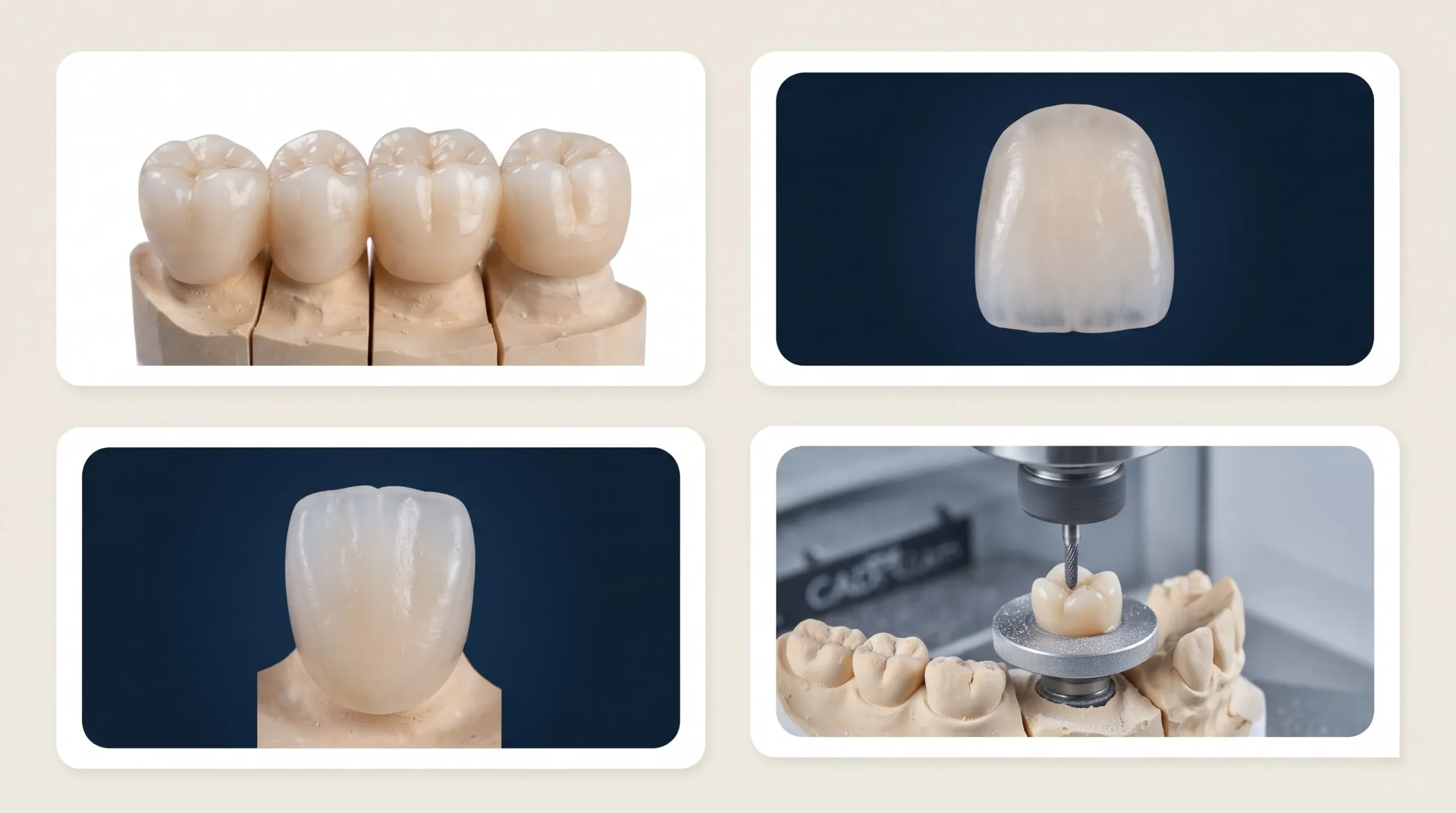
How It Works: A multi-unit ceramic restoration that spans the empty gap, anchored securely onto prepared adjacent natural teeth (abutments).
Pros: Completed quickly in just 1 to 2 weeks; requires no minor jaw surgery; cost-effective up front.
Cons: Requires shaving down healthy enamel on adjacent anchor teeth; does not prevent bone loss under the empty gap.
- Key Decision Factors:
Bone Density: Implants require healthy jawbone structure; bridges can be placed even if localized jawbone loss has occurred.
Adjacent Tooth Health: If adjacent teeth already need crowns or deep fillings, a dental bridge can solve two problems at once.
Conclusion
Both dental implants and fixed bridges offer reliable, aesthetic tooth replacement. An implant preserves natural neighboring teeth and bone matrix, while a bridge offers a quick, non-surgical fixed solution.
Ready to replace a missing tooth and restore your bite? Schedule a consultation with Dr. Frederick Williams at Pearl Dental Kochi today.