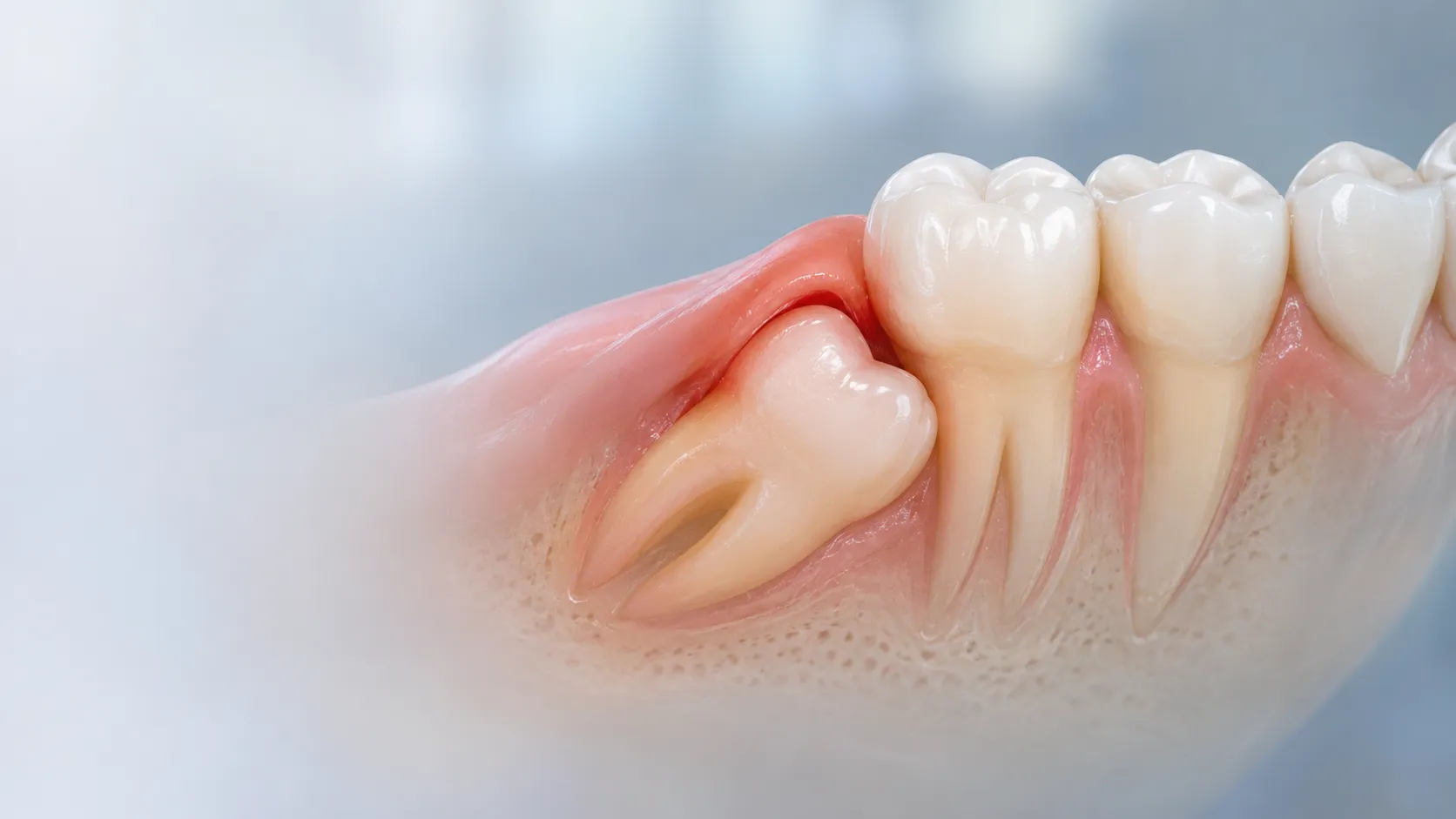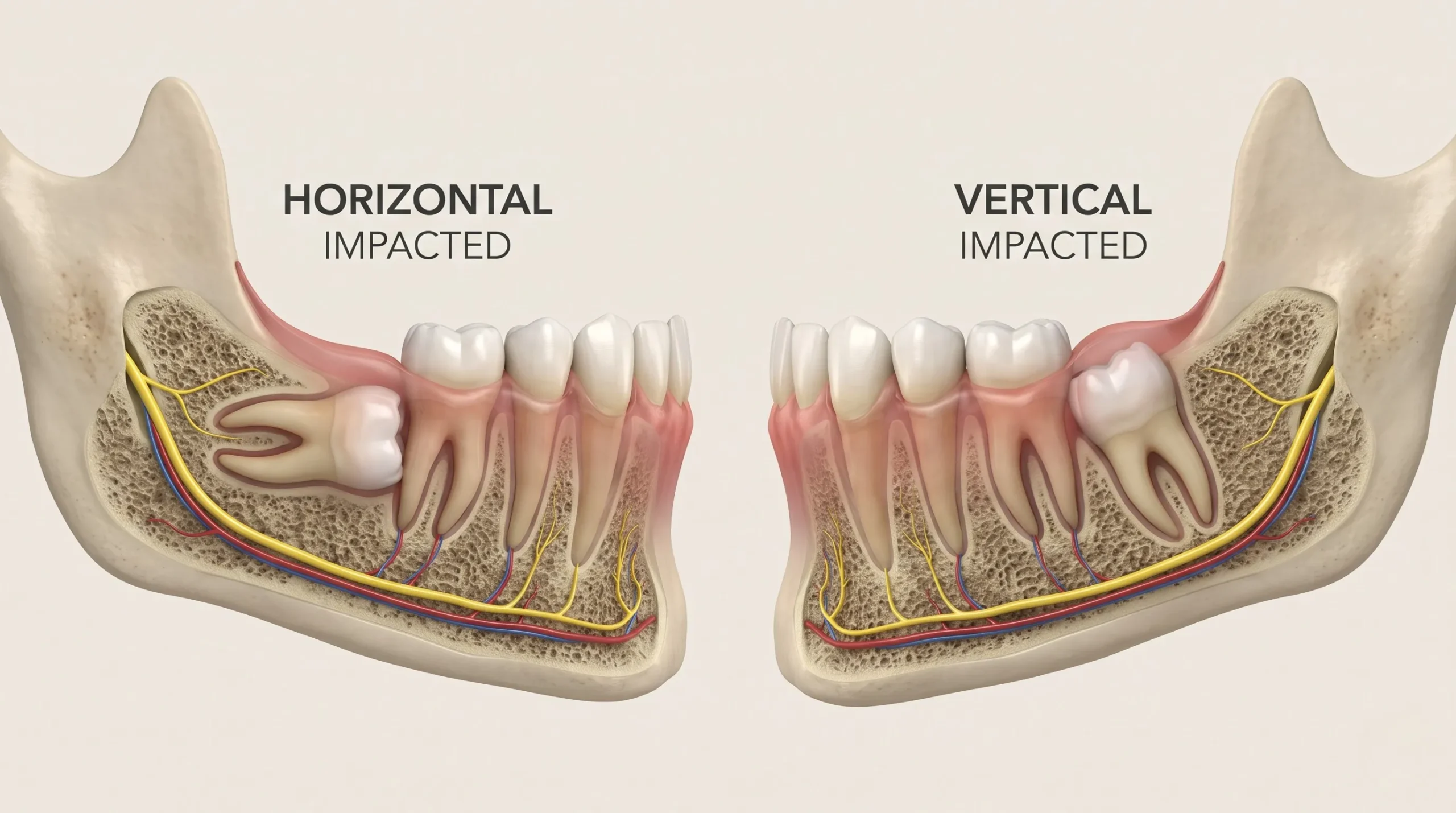
One of the most frequent worries patients share when preparing for wisdom tooth removal is the possibility of developing a “dry socket.” Known clinically as alveolar osteitis, a dry socket is a painful post-operative condition that occurs when the protective blood clot inside the extraction site dislodges or fails to form properly.
While the condition can be uncomfortable, preventing it is straightforward when you understand the biological recovery process and follow a few essential post-operative guidelines.
Body
- What Is a Dry Socket and Why Does It Hurt?
- The Biological Healing Seal: Following a tooth extraction, your body naturally forms a firm blood clot inside the empty bone socket. This clot acts as a protective blanket over underlying bone matrix, nerve endings, and blood vessels while new tissue grows.
What Happens When the Clot Is Lost: If the blood clot dissolves or dislodges prematurely, delicate nerve endings and jawbone become exposed to air, food debris, fluids, and oral bacteria.
Classic Symptoms: A dry socket typically develops 2 to 4 days post-surgery, marked by a sudden throbbing pain that radiates toward the ear, accompanied by visible exposed whitish bone in the socket and persistent bad breath.
- Essential Guidelines to Prevent a Dry Socket
- Protecting your extraction site during the initial 48 to 72 hours requires avoiding activities that create negative intraoral pressure or impede blood flow:
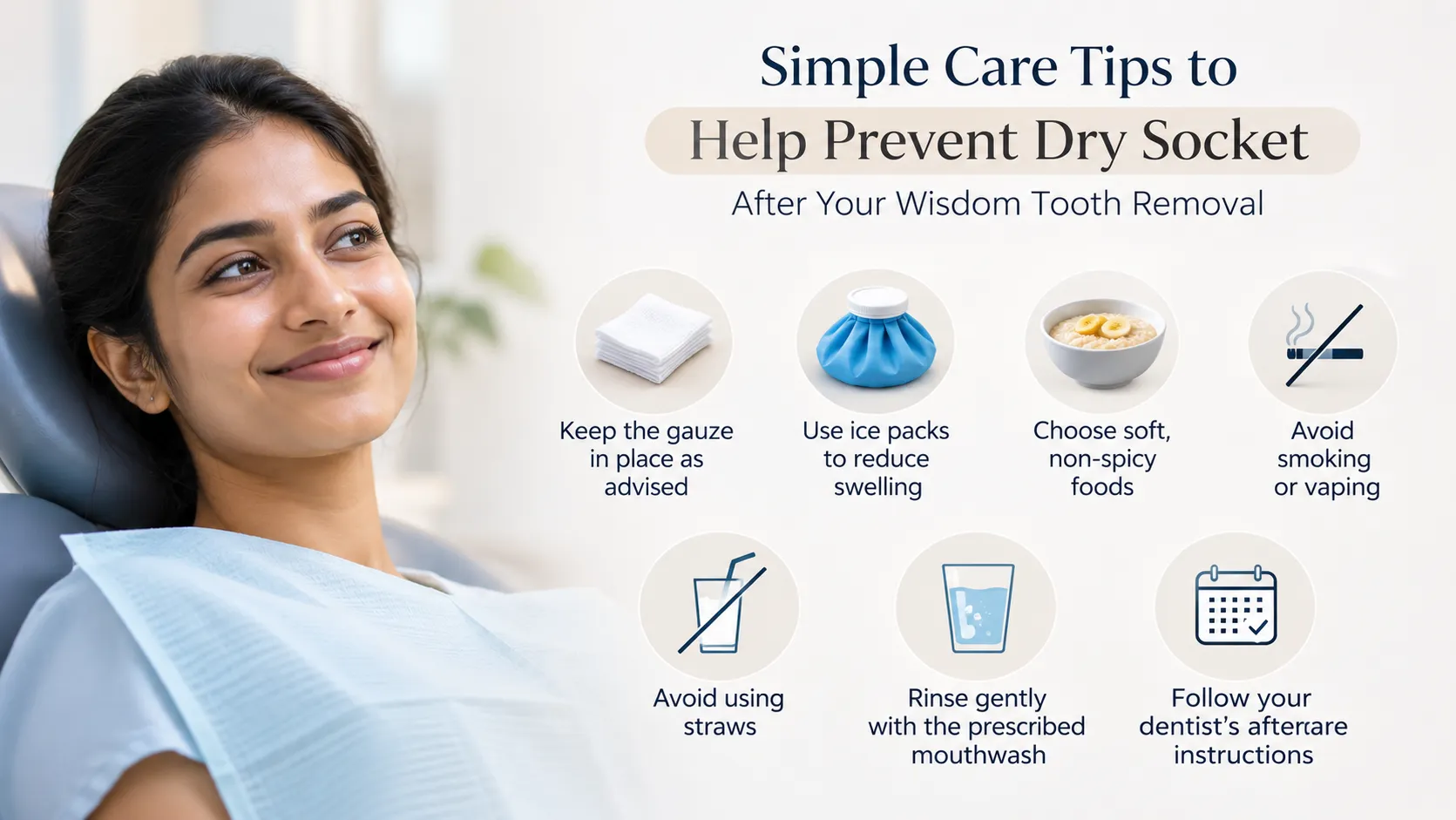
Strictly Avoid Using Straws: The strong sucking action required to drink through a straw creates negative pressure inside your mouth, which can easily pull the developing blood clot straight out of the socket.
Do Not Spit or Rinse Vigorous For 48 Hours: Swishing mouthwash aggressively or spitting forcefully after brushing creates pressure waves that can dislodge healing clot tissue. Let fluids fall gently from your mouth into the sink.
Avoid Smoking, Vaping, and Tobacco: Tobacco products restrict systemic blood vessel dilation, slowing oxygen delivery to the healing wound. The suction from inhaling smoke or vapor also presents a direct mechanical risk to the clot.
Skip Hot Liquids, Alcohol, and Carbonated Drinks: Hot drinks dissolve developing fibrin networks, while alcohol thins the blood and increases post-operative bleeding risks. Carbonation bubbles can also irritate delicate sockets.
Rest and Keep Your Head Elevated: Avoid strenuous gym workouts, heavy lifting, or intense physical exertion for 3 to 5 days. Elevated blood pressure can trigger renewed bleeding from the surgical site.
- How PRF (Platelet-Rich Fibrin) Therapy Virtually Eliminates Dry Sockets
- At Pearl Dental Kochi, we offer advanced PRF (Platelet-Rich Fibrin) socket preservation technology to help ensure a smooth recovery:
How It Works: Before your extraction, a small sample of your own blood is drawn and spun in a specialized centrifuge to isolate concentrated platelets, growth factors, and natural fibrin.
The Healing Plug: This rich, natural fibrin plug is placed directly into the extraction socket immediately after the tooth is removed and secured with delicate sutures.
Accelerated Recovery: The PRF matrix seals exposed nerve endings instantly, stimulates rapid capillary growth, reduces post-operative pain, and virtually eliminates dry socket risks.
Conclusion
A dry socket is completely preventable with proper post-surgical care. By avoiding negative suction, resting adequately, and choosing advanced socket protection options like PRF therapy, you can enjoy a smooth, comfortable recovery.
Planning an upcoming tooth extraction? Ask our surgical team at Pearl Dental Kochi about adding PRF Platelet-Rich Fibrin therapy to your treatment plan for maximum post-operative comfort.