One of the most common questions patients ask before starting clear aligner treatment is: “Does Invisalign® hurt?”
It is completely natural to wonder about pain when starting any orthodontic journey. The short answer is: Invisalign® does not cause severe pain, but you will experience mild pressure and tightness, especially during the first few days of starting a new set of aligner trays.
In fact, most patients describe the sensation as a feeling of “firm pressure” rather than sharp pain. Here is an honest guide on what to expect, why discomfort happens, and how to stay completely comfortable throughout your treatment.
What Does Invisalign® Discomfort Actually Feel Like?
Unlike traditional metal braces—which feature sharp brackets, metal bands, and archwires that can poke your cheeks and lips—Invisalign® aligners are made from smooth, laser-trimmed SmartTrack® plastic designed to sit comfortably against your gum line.
Here is how aligner pressure compares across different stages:
- Day 1 to Day 3 of a New Tray: You will feel a noticeable snugness or pressure against specific teeth. This is a sign that your aligners are doing their job applying calibrated micro-forces to move your teeth into alignment.
- Day 4 Onward: As your teeth adapt to the tray position, the pressure fades, and the aligners feel completely natural and comfortable.
- Removing the Trays to Eat: Your teeth may feel slightly tender for the first few seconds when taking your aligners out during the initial days of a new tray.
Why Do Clear Aligners Cause Tightness?
To move teeth safely and permanently, orthodontics relies on a biological process called bone remodeling.
- Constant, gentle force: Your aligners exert precise, light pressure on the roots of your teeth.
- Stimulating the periodontal ligament: This pressure signals the bone around your tooth root to reabsorb slightly on one side and build new bone on the other side.
- Engineered progress: Each set of custom trays shifts teeth by only a fraction of a millimeter (around 0.25mm per tray), ensuring the movement is gradual, controlled, and comfortable.
Invisalign® Discomfort vs. Traditional Metal Braces
| Factor | Invisalign® Clear Aligners | Traditional Metal Braces |
| Gums & Cheek Safety | Smooth edges; no sharp metal parts to cause mouth sores or ulcers. | Brackets and pokey wires can rub against cheeks and lips. |
| Pressure Type | Light, continuous micro-pressure distributed across all teeth. | High-pressure localized force applied during wire tightening visits. |
| Emergency Visits | Extremely rare (no broken wires or snapped brackets). | Occasional urgent visits to fix loose brackets or sharp wires. |
5 Easy Ways to Relieve Invisalign® Tightness Fast
If you experience mild tenderness when switching to a new tray, these proven tips will keep you comfortable:
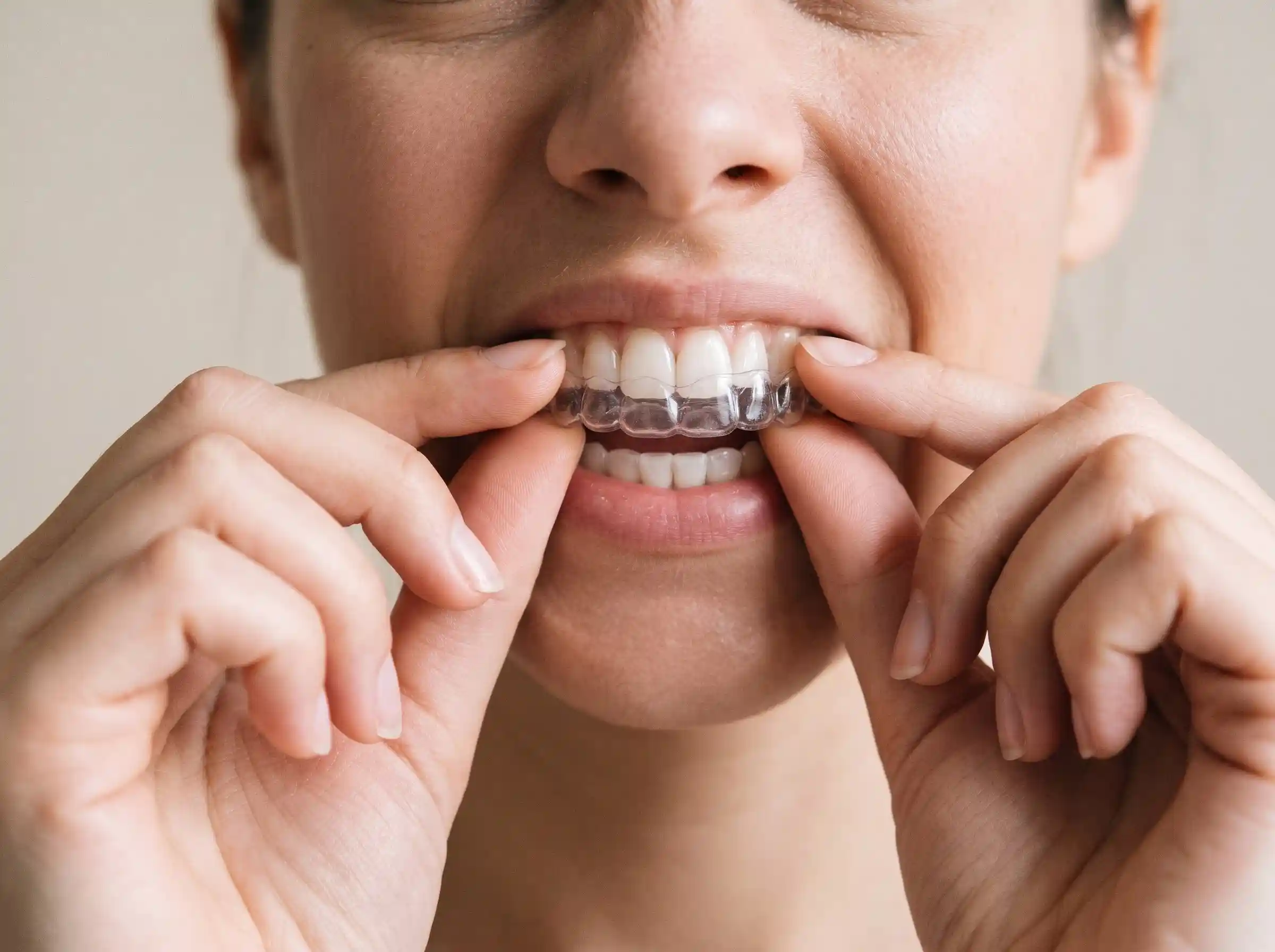
- Switch to New Trays at Night: Insert your new set of aligners right before going to bed. This allows your mouth to sleep through the first 6 to 8 hours of initial tightness.
- Use Aligner Chewies: Biting gently on soft foam chewies for 3–5 minutes helps seat your aligners snugly against your teeth, distributing pressure evenly and speeding up adjustment.
- Drink Cold or Ice Water: Sipping cool water helps soothe tender gums and relieves mild pressure naturally.
- Stick to Softer Foods for the First Two Days: When starting a new tray set, opt for softer meals like soups, smoothies, mashed potatoes, pasta, or yogurt if your teeth feel tender.
- Over-the-Counter Relief (If Needed): Mild pain relievers can be taken during the first 24 hours if you have low pain tolerance. Always consult your dentist before taking any medication.
When to Contact Your Invisalign® Dentist
While mild tightness is expected, you should never experience severe, throbbing pain. Contact your dentist or orthodontist if you notice:
- Sharp plastic edges: If a tray edge is scratching your tongue or cheek, your dentist can quickly smooth it down.
- Severe pain that persists after 3–4 days: Your provider will check to ensure your teeth are tracking correctly.
A loose or ill-fitting tray: If a tray is not seating properly over your teeth or attachments, contact your clinic before forcing it in place.